
you have questions, here’s some answers.

getting started
-
Not at all. Many people come to therapy because they’re overwhelmed, burnt out, stuck in patterns, or feeling disconnected, not because something dramatic just happened. You’re allowed to get support before things fall apart.
-
I work with adults navigating anxiety, trauma, burnout, attachment and relationship challenges, identity exploration, neurodivergence (including ADHD), chronic stress, and life transitions. I also support people who feel emotionally exhausted from caregiving, people-pleasing, or living in systems that weren’t built for them.
-
You’re welcome to book a session to get a feel for the work.
If you’d prefer a quick check-in first, I offer a free, virtual 20-minute consult. It’s a chance to ask questions, get a sense of how I work, and see if it feels like a fit—no pressure either way.
therapy process & approach
-
My work is trauma-informed, relational, and collaborative. I draw primarily from Internal Family Systems (IFS), Emotion-Focused Therapy (EFT), and EMDR, while adapting sessions to your nervous system, capacity, and goals. Therapy here is not about fixing you, it’s about understanding you.
-
Sessions vary depending on what you need that day. Some are reflective and emotional, others are grounding, stabilizing, or focused on understanding patterns. We move at a pace that feels safe and sustainable rather than forcing deep work before you’re ready.
-
No. You’re never required to share more than you want to. Trauma-informed therapy prioritizes safety, choice, and consent. When trauma processing is part of the work, we approach it carefully and collaboratively.
EMDR & modalities
-
EMDR is an evidence-based therapy that helps the brain process distressing experiences that feel “stuck.” It can be helpful for trauma, chronic stress, and certain anxiety patterns. EMDR isn’t rushed, we first build stability and resources so your nervous system feels supported.
-
Yes. I integrate IFS, EFT, EMDR, and somatic-informed practices rather than using a rigid model. This allows therapy to be responsive to you, not the other way around.
neurodivergence, identity, & safety
-
Yes. I work from a neurodivergent-affirming lens and understand that burnout, anxiety, and emotional overwhelm are often adaptive responses to chronic stress and masking - not personal failures. Therapy focuses on working with your nervous system and needs, not trying to “normalize” you.
-
Absolutely. I am queer-allied and practice from a culturally sensitive, anti-oppressive lens. Identity, culture, power, and systemic factors are welcome and important topics in the therapy space.
logistics
-
Yes. I offer virtual therapy for clients located in British Columbia. Virtual sessions can be just as effective and often increase accessibility and comfort.
-
Therapy is an investment of your time, energy, and money. I try to keep things simple and transparent so you know what to expect.
Individual therapy
60 minutes — $175
80 minutes — $280Couples & Family therapy
60 minutes — $190
80 minutes — $300Sessions are available both in-person and online.
I offer a small number of reduced-rate spots, which are currently full.
I accept payment by credit card or e-transfer.
-
Many extended health plans cover Registered Clinical Counsellors (RCCs). Coverage varies, so it’s best to check with your provider directly.
-
I require 48 hours notice for cancellations or rescheduling. This helps me hold consistent space for all clients.
-
On Monday’s and Wednesdays, I work out of an office located at 4381 Fraser St Unit 207, in Vancouver, BC. This location is easily accessed by public transit (just off of King Edward @ Fraser Street). There is plenty of street parking available.
On Tuesday evenings I work out of an office located at 1892 West Broadway Unit 200, in Vancouver, BC. This location is easily accessed by public transit. There is plenty of street parking in nearby neighborhoods.
On Thursdays, sessions are offered virtually only.
-
At this time, neither office is accessed by stairs and does not have step-free entry. If this creates a barrier for you, please reach out — I’m happy to discuss virtual options or alternatives.
fit & expectations
-
Fit matters. If you’re looking for a therapist who is relational, trauma-informed, neurodivergent-affirming, and values collaboration over authority, we may work well together. A consultation is a good place to explore this. If it’s not a fit, I am happy to assist connecting you with someone who may be.
-
That’s okay. Many people come to therapy with a feeling rather than a clear goal. Part of our work can be figuring out what support actually looks like for you.
who this may not be a fit for :
Therapy works best when the approach matches what you are looking for. While I work with many different people, my style and values may not be the right fit for everyone.
This may not be a good fit if you are looking for:
❊ Quick fixes or surface-level advice without deeper exploration
❊ A highly directive therapist who tells you what to do
❊ A strictly skills-based or worksheet-driven approach
❊ Therapy that avoids emotional or relational work altogether
❊ A therapist who challenges or pathologizes identity or neurodivergence
❊ Crisis or emergency mental health support
If you are unsure whether this approach fits what you are looking for, a consultation can help clarify that. I am also happy to support you in finding care that feels like a better fit if needed.

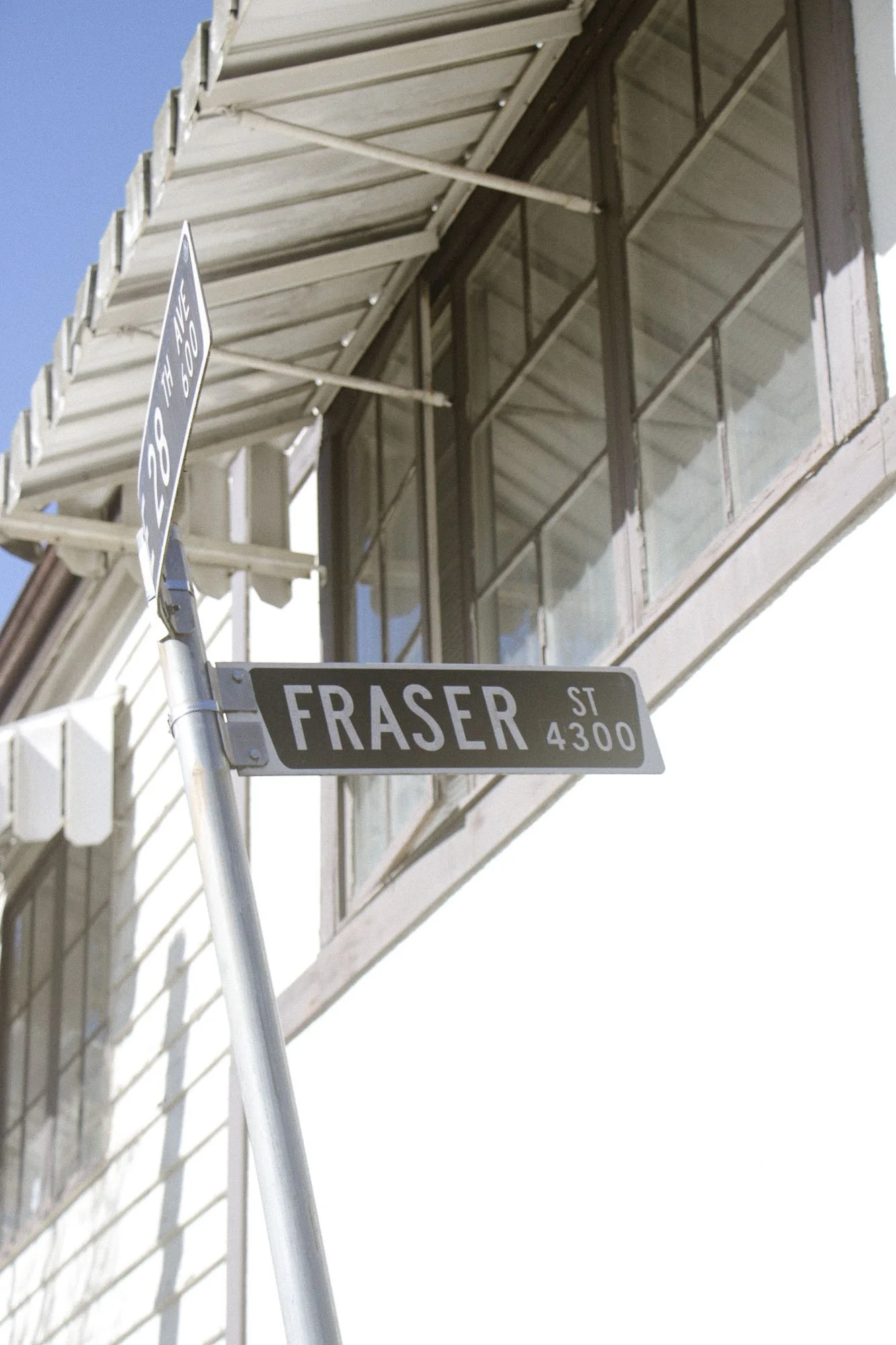
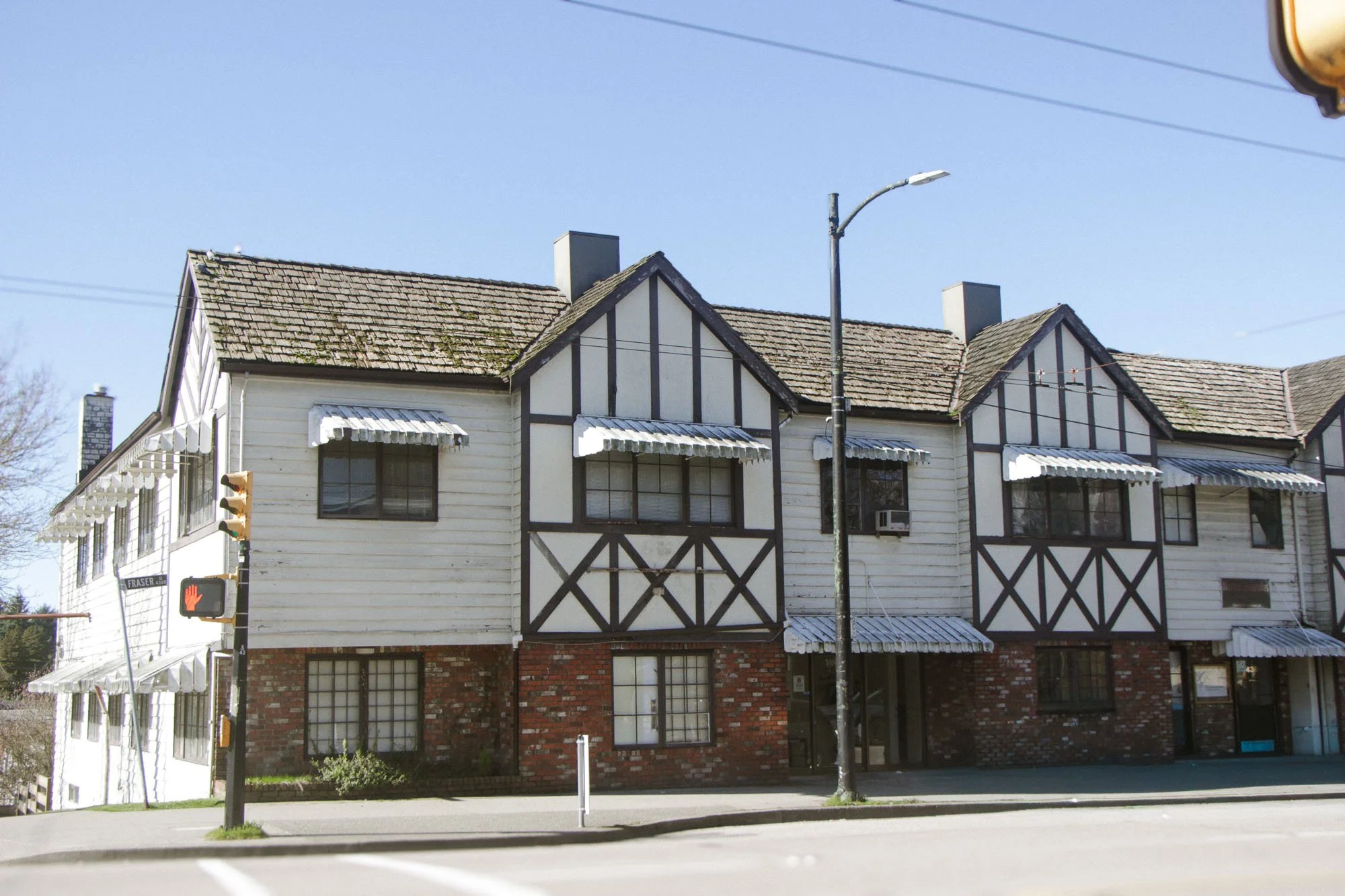
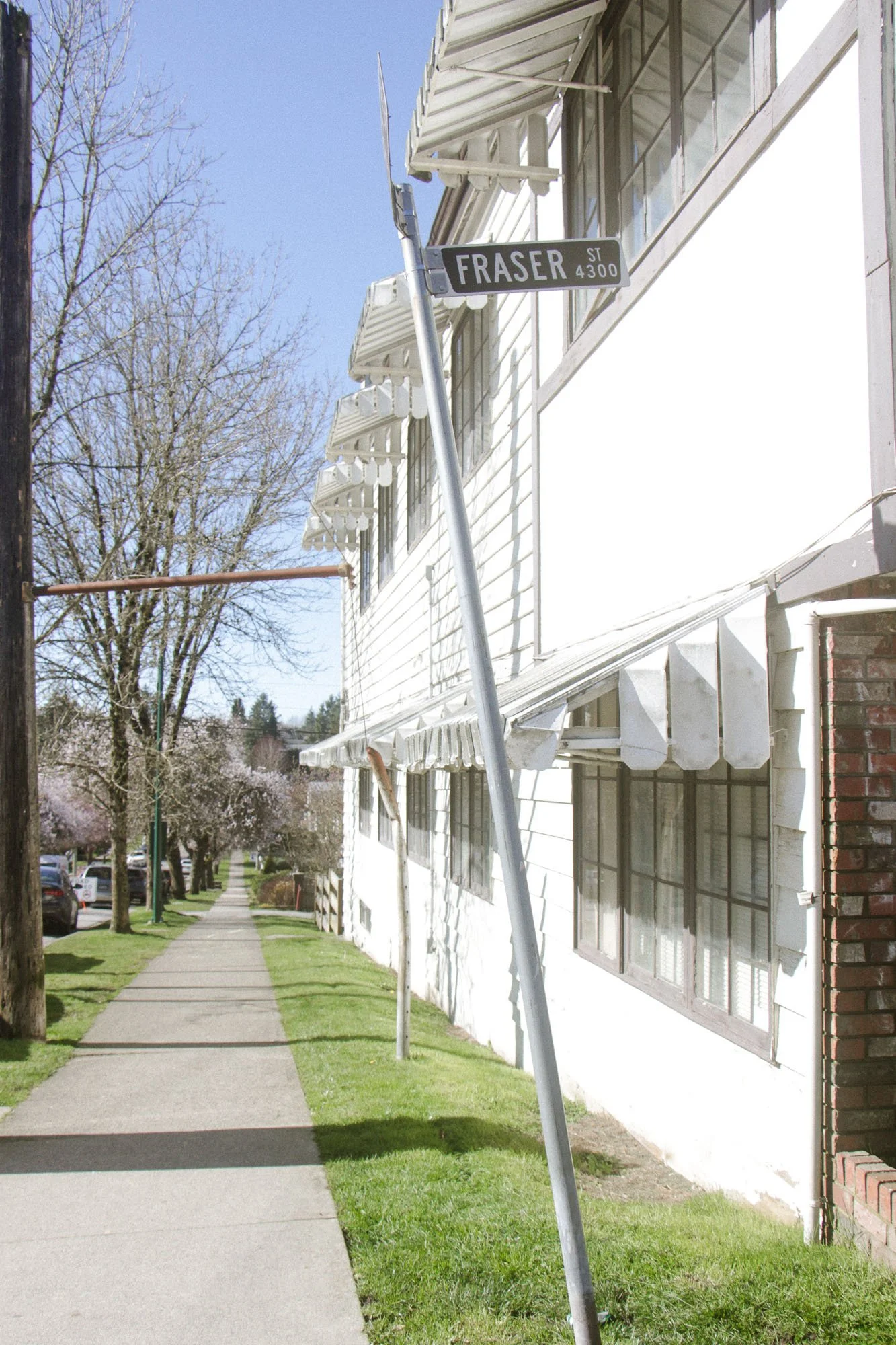
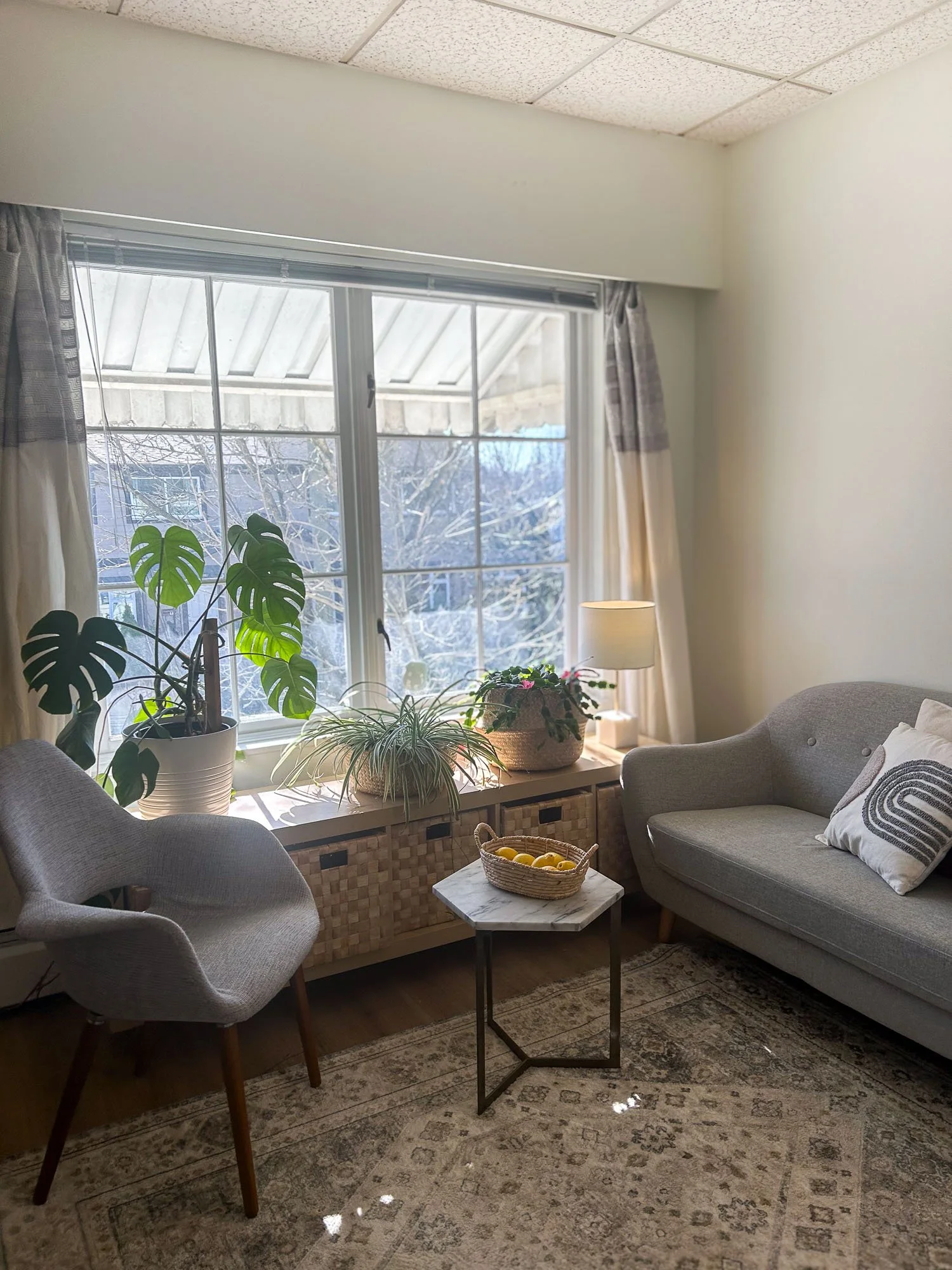
Fraser & 28th Location
4381 Fraser St Unit 207, Vancouver, BC V5V 4G4
The office is located just off Fraser Street in East Vancouver, with ample street parking available nearby.



Cypress & Broadway Location
1892 West Broadway Unit 200, Vancouver, BC V6J 1Y9
The office is located on West Broadway at Cypress Street, with ample street parking available nearby.
Online
From the comfort of your own home, car, bed… wherever you feel most comfortable.
Sessions are offered via a secure telehealth platform through the JaneApp. Studies show efficacy of virtual therapy to be as good as in person care, with reduced dropout rates and enhanced accessibility to care.