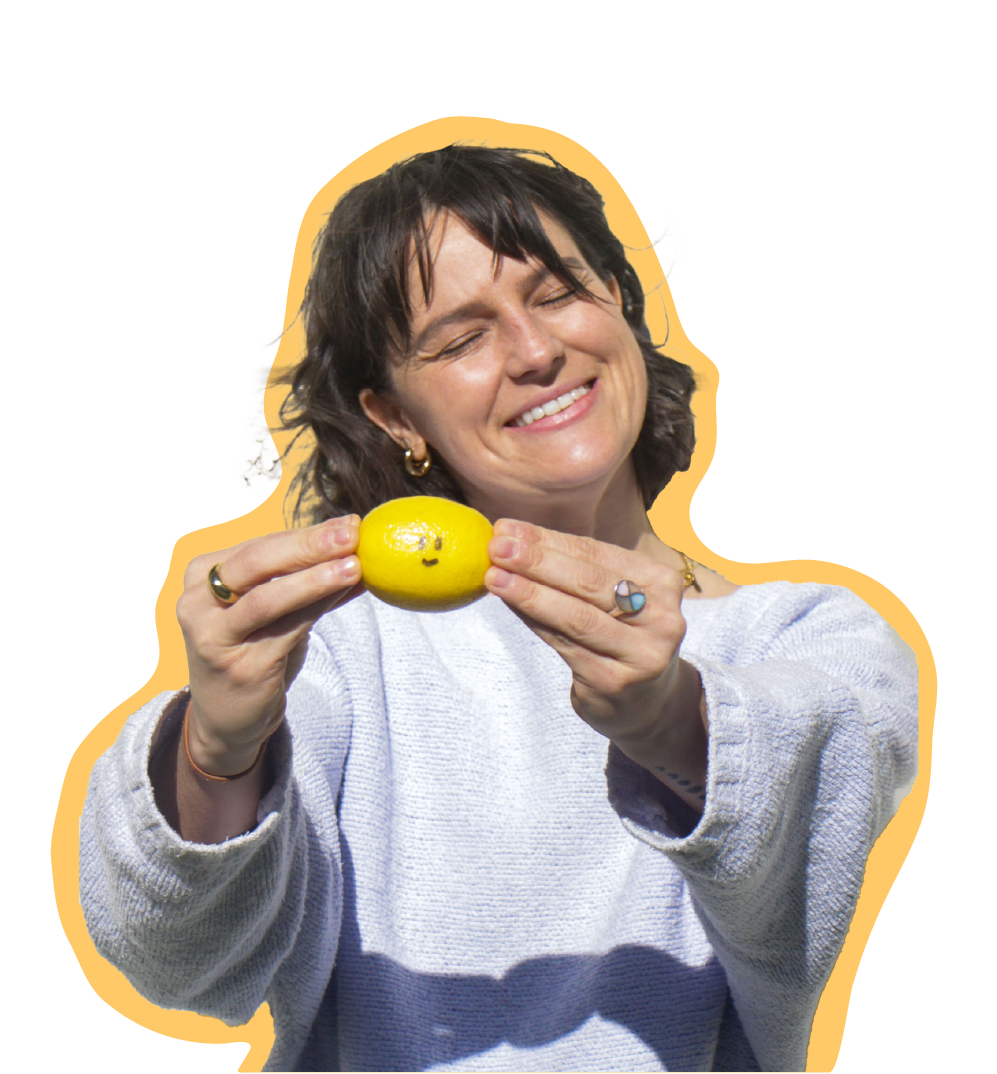
Being human is weird.
An oddly human approach to therapy.
You don’t have to do it alone.
❊ ABOUT
My approach is trauma-informed, relational, and deeply respectful of your inner world. I draw from several evidence-based modalities — including Internal Family Systems (IFS), Emotion-Focused Therapy (EFT), and EMDR, and integrate them in a way that’s flexible and collaborative.


-
IFS is based on the idea that we all have “parts,” or different aspects of ourselves that developed to help us survive, cope, and stay connected. Some parts work very hard to keep things together (perfectionism, people-pleasing, overthinking). Others carry pain, fear, or exhaustion from past experiences.
Rather than trying to get rid of these parts, IFS helps us understand why they exist and what they need. Therapy becomes a process of building compassion and trust within yourself, so you’re no longer at war with your own inner world.
This approach is especially supportive for people who feel “too much,” stuck in patterns they don’t fully understand, or ashamed of their reactions. Your parts aren’t the problem, they’re messengers.
-
Emotions aren’t weaknesses. They’re signals.
EFT helps you slow down and tune into emotional experiences that are often buried beneath anxiety, shutdown, or reactivity. Together, we explore how emotions shape your relationships with others and with yourself, and how unmet needs might be driving familiar patterns.
This work can be especially powerful for relationship concerns, attachment wounds, and for people who feel disconnected from their feelings or overwhelmed by them. We focus on creating safety, clarity, and emotional flexibility rather than forcing insight or change.
-
Trauma doesn’t just live in memory, it lives in the nervous system.
EMDR (Eye Movement Desensitization and Reprocessing) is a structured, evidence-based approach that helps the brain process traumatic or distressing experiences that feel “stuck.” You don’t need to relive or retell everything in detail for EMDR to be effective.
I use EMDR thoughtfully and collaboratively, ensuring there’s enough stability, consent, and resourcing before any trauma processing begins. This work can support healing from single-incident trauma, complex or developmental trauma, medical trauma, and chronic stress.
-
Many of the people I work with are neurodivergent: ADHD, autistic, highly sensitive, or living with chronic illness, and have spent years adapting themselves to fit systems that weren’t built for them.
My approach recognizes that burnout, anxiety, and emotional overwhelm are often adaptive responses, not personal failures. Therapy isn’t about making you more “normal” or more productive. It’s about understanding your nervous system, honoring your limits, and building a life that works with your brain instead of against it.
Sessions are flexible, collaborative, and responsive to your capacity on any given day.
-
I approach my work through a culturally sensitive, anti-oppressive, and queer-affirming lens. This means acknowledging how systems of power, marginalization, culture, and identity shape mental health, and making space for conversations about race, gender, sexuality, disability, and belonging without assumptions or minimization.
You don’t need to educate me to be understood here. Your lived experience is honored and respected.

therapy is personal. if you’d like to get a sense of who I am and how I show up in this work, you can read more here.