

Relationship & Couples Therapy in Vancouver
Sometimes you care about each other and still keep getting stuck in the same places.
Maybe you keep having versions of the same argument, even when you both go into it determined to do things differently.
One of you wants to talk while the other needs space. Small disagreements turn into bigger ones, old hurts keep finding their way into new conversations, or you’ve started avoiding certain topics altogether because you already know how they’ll go.
You don’t need to be on the verge of ending a relationship to come to therapy. Sometimes you just know that the way you’re relating to each other isn’t working as well as you’d like it to.
Why people come to relationship therapy
You might be looking for help because:
You keep getting caught in the same arguments and have a hard time resolving them
One person tends to pursue, explain, or push for connection while the other pulls away or shuts down
You’ve become distant and aren’t sure how to find your way back to each other
Trust has been hurt and you’re trying to figure out what repair might look like
You have very different ways of communicating, handling conflict, or expressing what you need
You’re navigating a major transition or decision and it’s putting strain on the relationship
You care about the relationship but aren’t sure whether or how you want to continue it
You can also come to relationship therapy when nothing is particularly “wrong.” Sometimes people want help having conversations they’ve been avoiding, understanding each other better, or strengthening a relationship before problems become harder to untangle.

Common “What Ifs”
What if we argue in therapy?
1
You might.
Relationship therapy doesn’t require you to show up calm, perfectly articulate, and ready to communicate beautifully. If you could do that every time something difficult came up, you probably wouldn’t need much help from me.
When tension shows up in the room, it can give us useful information about what happens between you. My job is to help slow things down so we can understand what each person is reacting to and make room for a different kind of conversation.
You also won’t be expected to say everything perfectly. Sometimes it takes a while to figure out what you’re actually feeling underneath the frustration, defensiveness, or urge to shut down.
What if one of us is more invested in therapy?
2
That’s common too.
You don’t both need to arrive equally enthusiastic about therapy or with exactly the same understanding of the problem. We can make room for different perspectives and different levels of comfort with the process.
What does matter is that everyone participating is willing to look at what is happening in the relationship and consider their own part in it.
What if we don’t know whether we want to stay together?
3
You don’t have to come to therapy already knowing the answer.
Sometimes the work is about repairing a relationship and finding your way back to each other. Sometimes it’s about understanding whether the relationship can meet both people’s needs. And sometimes therapy helps people have clearer, more respectful conversations about ending or changing a relationship.
I won’t make that decision for you. We can create enough space to understand what is happening so that you can make your own decisions with more clarity.


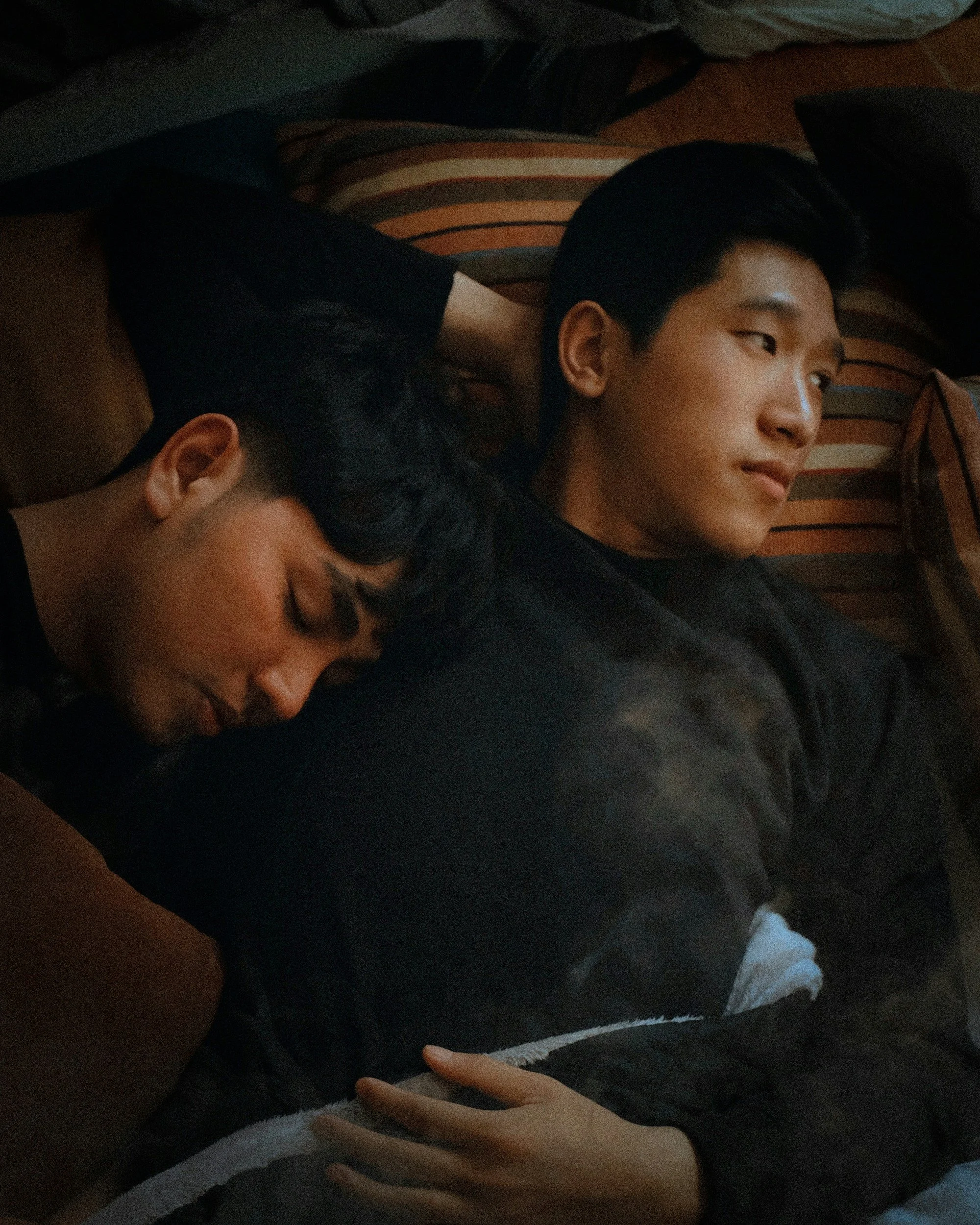
Relationship therapy isn’t only for romantic couples
Romantic partners are a big part of relationship therapy, but they aren’t the only relationships that can benefit from having somewhere to work things through.
I welcome people coming to therapy with an important person in their life, including:
Romantic partners and spouses
LGBTQ+ and queer relationships
Non-monogamous and other non-traditional relationship structures
Friends
Co-parents
Family members
Other important relationships where both people want help understanding or changing what is happening between them
We can talk before booking about whether relationship therapy is appropriate for your particular situation.

How I work
My approach to relationship therapy is informed by attachment and Emotionally Focused Therapy (EFT). In everyday language, that means I’m interested in the patterns that develop between people, what happens underneath those patterns, and what each person is trying to protect or reach for when things become difficult.
We’ll work on communication, but I don’t think better communication is simply about learning the right script. Sometimes you already know how you’re “supposed” to communicate and still can’t access those skills when you’re hurt, angry, scared, or feeling rejected.
The work is about understanding what happens in those moments and gradually finding different ways to respond to each other.
What you may gain from relationship therapy
Over time, relationship therapy may help you:
Recognize the pattern you get caught in before it takes over the conversation
Understand what is happening underneath each other’s reactions
Talk about difficult things with less defensiveness or withdrawal
Express needs, boundaries, hurt, and disagreement more directly
Repair after conflict rather than carrying every argument into the next one
Make clearer decisions about what you want from the relationship
The goal isn’t a relationship without conflict. It’s a relationship where conflict doesn’t have to keep taking you to the same painful place.
You don’t need to wait until your relationship is in crisis before asking for help. If you keep getting stuck in the same conversations, feel increasingly disconnected, or simply want a different way of relating to each other, relationship therapy can give you somewhere to work on it together.
I offer relationship and couples therapy in Vancouver, BC, with in-person and virtual appointments available.
*relationship therapy with people attending together may not be appropriate where there is ongoing abuse, coercive control, or concern about someone's safety.