Trauma + Difficult Past Experiences Therapy in Vancouver
you learned how to handle a lot. Maybe more than you realized.
You may be capable, independent, and good at getting through hard things. But you might also notice that conflict hits you hard, other people's moods can change how you feel, or certain situations bring up reactions that seem much bigger than what's happening in the moment.
You may not think of yourself as someone who has experienced trauma. You just know there are patterns you understand but can't seem to shake.


what this can look like
You might:
❊ Notice small changes in someone's mood or tone and start wondering if you've done something wrong
❊ Feel tense, shut down, or overwhelmed during conflict, even when part of you knows you're safe
❊ Take care of other people while having a much harder time knowing what you need
❊ Be very independent and find it uncomfortable to rely on other people or ask for help
❊ Feel shame or blame yourself when relationships become difficult
❊ Have strong emotional reactions that make sense afterward but feel hard to manage in the moment
❊ Minimize what you've been through because other people had it worse or because nothing seems "bad enough" to call trauma
Sometimes these patterns develop after one traumatic event. Other times, they grow out of experiences that happened over many years.
You may have grown up around conflict, unpredictability, criticism, emotional neglect, addiction, mental health struggles, or adults who needed more from you than a child should have had to give. Maybe you became the responsible one, learned to keep the peace, or got very good at reading the room.
These experiences are sometimes understood through the lens of complex trauma or complex PTSD (CPTSD). You don't need to know whether either label fits before coming to therapy.
how we'll work together
-
We won't start by asking you to tell me every difficult thing that's ever happened to you. Trauma therapy doesn't need to mean digging into the past before you feel ready.
We'll start with what's happening in your life now and get curious about the patterns that keep showing up. We might notice what happens when someone is upset with you, when you need something from another person, or when a situation brings up a reaction that feels hard to understand. Over time, we can start connecting some of those reactions to what you've learned about safety, relationships, yourself, and other people.
-
When it makes sense, we can also work more directly with experiences from the past that still feel present. That might mean noticing how those memories live in your body, understanding the different ways you've learned to protect yourself, or using approaches such as EMDR to help experiences from the past feel more like something that happened then, rather than something you still have to respond to now.
-
The goal isn't to blame everything on your childhood or spend forever talking about the past. It's to understand how your experiences shaped you so they don't have to keep making your choices for you.
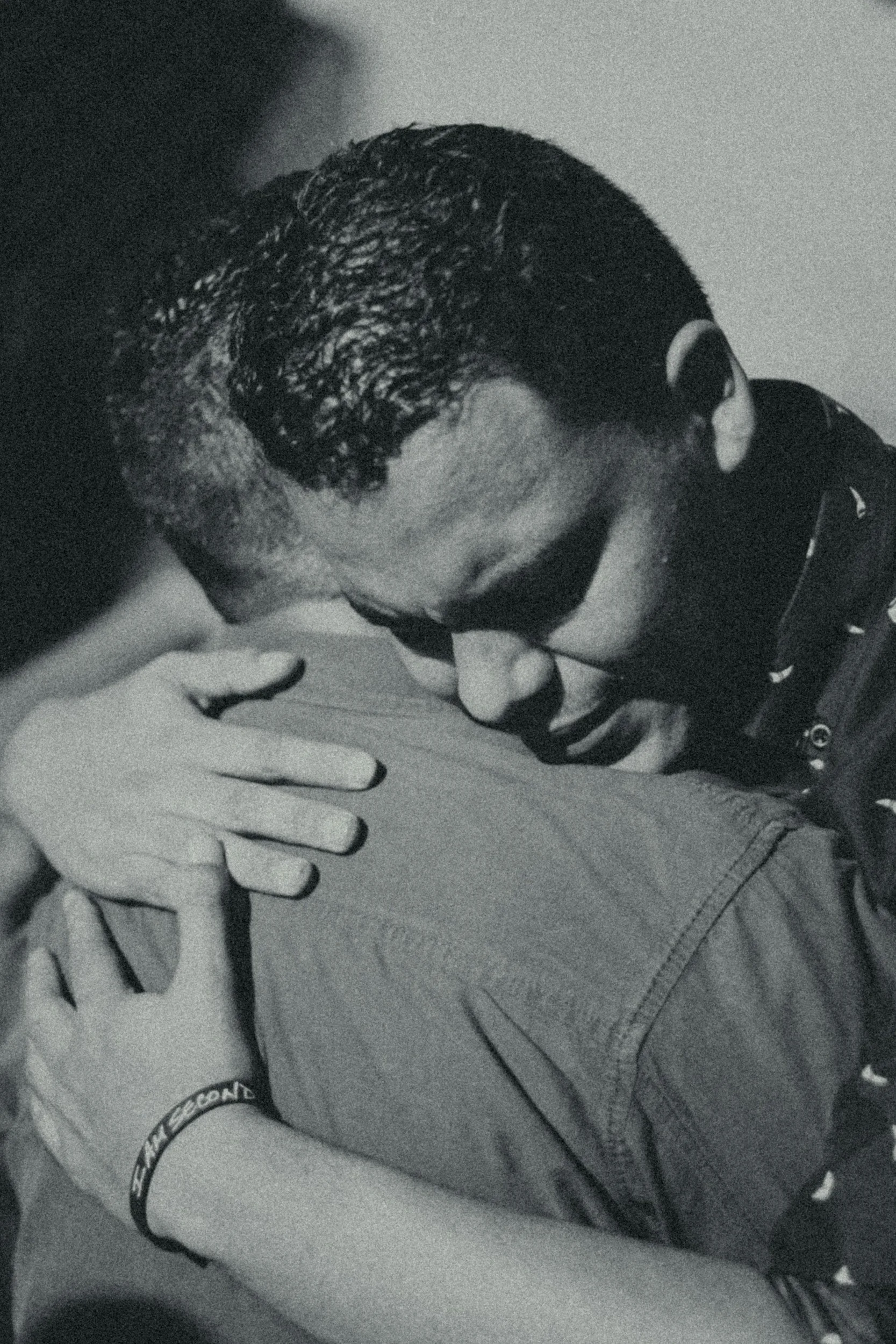
❊ Interested in EMDR specifically?
Learn more about EMDR therapy here.
what you may gain from this work
Clients working through complex trauma may develop:
❊ A clearer understanding of why certain situations or relationships affect them so strongly
❊ More ability to notice and respond to their needs instead of automatically pushing them aside
❊ Greater capacity to stay present during conflict, uncertainty, or strong emotions
❊ Less shame about the ways they learned to cope
❊ More trust in themselves and their reactions
❊ More choice in relationships, boundaries, and how they respond when old patterns show up
You don't have to prove that what happened was "bad enough" before you're allowed to understand how it affected you.