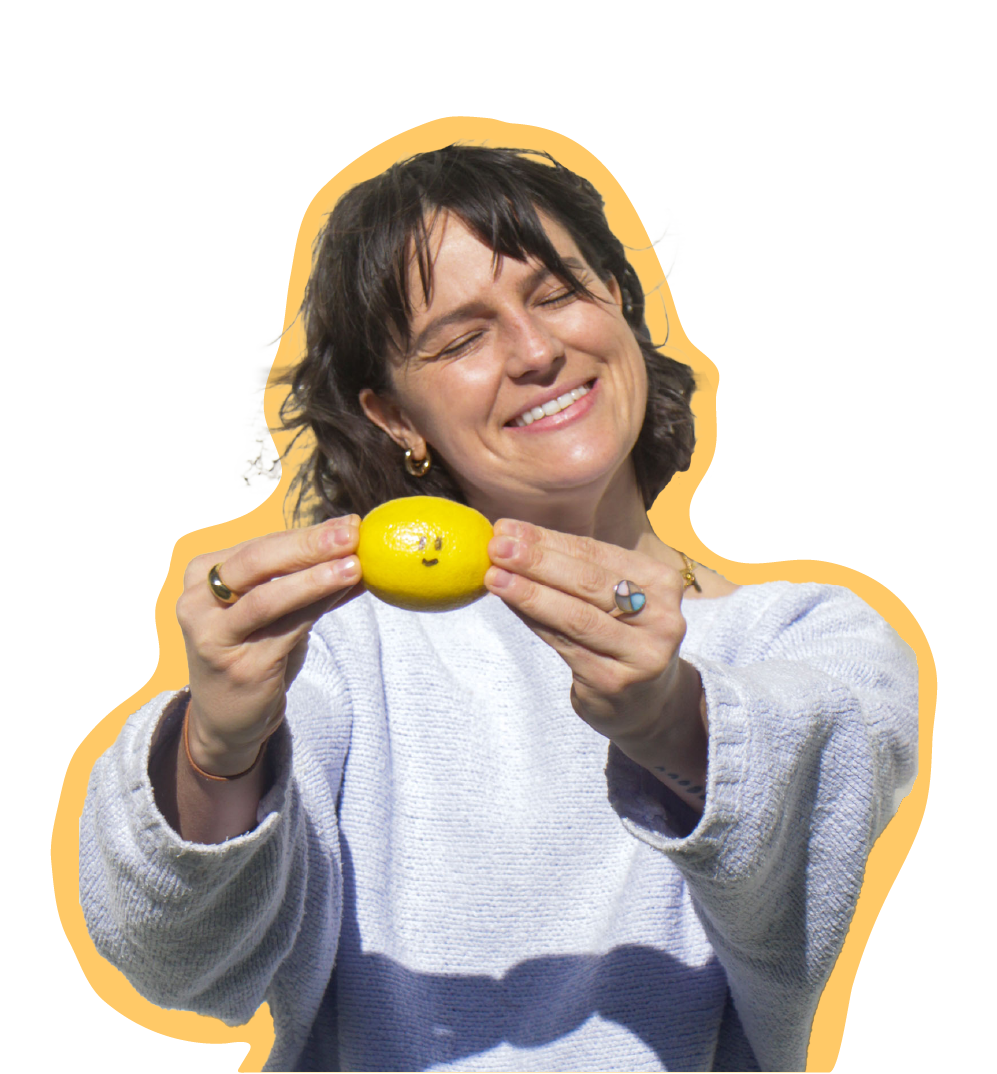
Being human is weird.
An Oddly Human Approach to Therapy.
You don’t have to do it alone.


-
My style is warm, conversational, and actively engaged. I'll share my observations, offer different perspectives, and gently challenge you when I notice patterns that may be getting in the way of what you're hoping for.
I pay attention not only to what you're telling me, but also to what's happening for you as you're telling me. Sometimes I might gently interrupt to invite you to slow down, notice what you're feeling in your body, or become curious about something that's happening in the moment.
I value continuity in our work. We'll often revisit something from a previous session and decide together whether to continue exploring it or focus on something more pressing. I want our sessions to feel purposeful without being overly structured or rigid.
The therapeutic relationship itself is also an important part of our work. I welcome feedback, particularly when something I've said hasn't landed well or you've felt misunderstood. I recognize that expressing disagreement with your therapist can feel vulnerable, and I believe these moments can offer meaningful opportunities to practise expressing your needs and navigating relational repair.
I like to think of therapy as an ongoing experiment. Sometimes our work involves trying something different outside of our sessions, whether that's having a difficult conversation, setting a boundary, or responding to yourself with greater kindness.
And while therapy can involve some deeply difficult conversations, I don't believe it needs to feel serious all the time. Humour, laughter, and moments of lightness are a welcome part of my sessions.
-
Many of the people I work with come to therapy with a considerable amount of self-awareness. They understand how their childhood experiences have shaped them and recognize their relationship patterns, yet this understanding doesn't necessarily change how they feel or respond to themselves when they're struggling.
I'm particularly interested in exploring the relationship you have with yourself. How do you speak to yourself when you're having a hard time? How do you navigate uncertainty, respond to emotional pain, or recognize and tend to your own needs? My hope is that the curiosity and compassion we cultivate together in therapy become things you can draw upon in your everyday life.
I also recognize that deeper emotional exploration isn't always what you need most. If you're experiencing burnout or struggling with the demands of everyday life, our work might focus on finding practical ways to lessen the load. This could involve setting boundaries, exploring accommodations, accessing additional support, or finding ways to make everyday responsibilities more manageable.
I don't believe that every difficulty needs to be addressed through psychological work alone. Sometimes the most compassionate thing you can do for yourself is change the conditions you're living in, rather than continually asking yourself to become better at coping with them.
There are also experiences in life that cannot be fixed. When you're navigating grief, loss, or circumstances outside of your control, you may simply need somewhere to express what you're feeling without pressure to find a solution or make meaning out of it. I'm comfortable sitting with you in those moments too.
-
My approach to counselling is integrative, meaning I draw from several therapeutic models and adapt how we work together based on your needs, preferences, and goals.
Internal Family Systems (IFS) and Parts Work
I've completed Level 1 training in Internal Family Systems, a therapeutic model that helps us understand the different parts of ourselves and the roles they've developed in our lives. Through parts work, we can explore patterns such as self-criticism, people-pleasing, and emotional withdrawal with greater curiosity and compassion.
Emotion-Focused and Attachment-Based Therapy
My work is informed by emotion-focused and attachment-based approaches, which explore how our emotional experiences and relational histories shape the ways we connect with ourselves and others. These approaches help us explore underlying emotions, unmet needs, and recurring relationship patterns.
EMDR Therapy
Eye Movement Desensitization and Reprocessing (EMDR) is a structured therapeutic approach used to process traumatic or distressing memories. I've completed EMDR basic training and incorporate this approach when appropriate in my work with clients navigating trauma and complex trauma. We approach this work collaboratively, with attention to your readiness, consent, and emotional capacity.
-
Many of the people I work with have ADHD, are autistic, or are exploring their neurodivergent identity. My approach to neurodivergent-affirming therapy involves understanding how your brain works and recognizing where there may be a mismatch between your needs and the demands of your environment.
We might explore experiences of masking, sensory overwhelm, executive functioning difficulties, burnout, or the grief and self-discovery that can accompany a late diagnosis. Rather than encouraging you to better meet conventional expectations, I'm interested in helping you understand your needs, advocate for yourself, and build a life that feels sustainable and meaningful to you.
I also recognize that neurodivergence can influence what you need from therapy itself. Whether you benefit from more structure, direct communication, additional processing time, or the freedom to move and fidget during sessions, I welcome conversations about what makes therapy more accessible and comfortable for you.
-
My background in social work continues to inform how I practise as a therapist. I believe that understanding your mental health involves looking beyond your individual experiences and considering the social, cultural, and systemic conditions in which you live.
I approach therapy through a culturally responsive, queer-affirming, and anti-oppressive lens. I recognize how experiences of discrimination, marginalization, privilege, and belonging can shape your wellbeing, relationships, and sense of safety in the world.
I'm mindful of how my own identity and experiences influence my perspective, and I don't assume to know what your experiences mean to you. I welcome conversations about identity, culture, sexuality, gender, disability, and power, including how these dynamics may show up in our therapeutic relationship. For me, this way of practising requires an ongoing commitment to learning, self-reflection, and accountability.
-
If my approach resonates with you, I offer a complimentary 20-minute consultation where we can talk about what you're looking for in therapy, explore any questions you have, and get a sense of whether we're a good fit.
I offer in-person counselling in Vancouver and online counselling throughout British Columbia.

If you'd like to get to know me a little better, you can read more about me, my background, and what brought me to this work.